IT STARTED ON A NAPKIN.
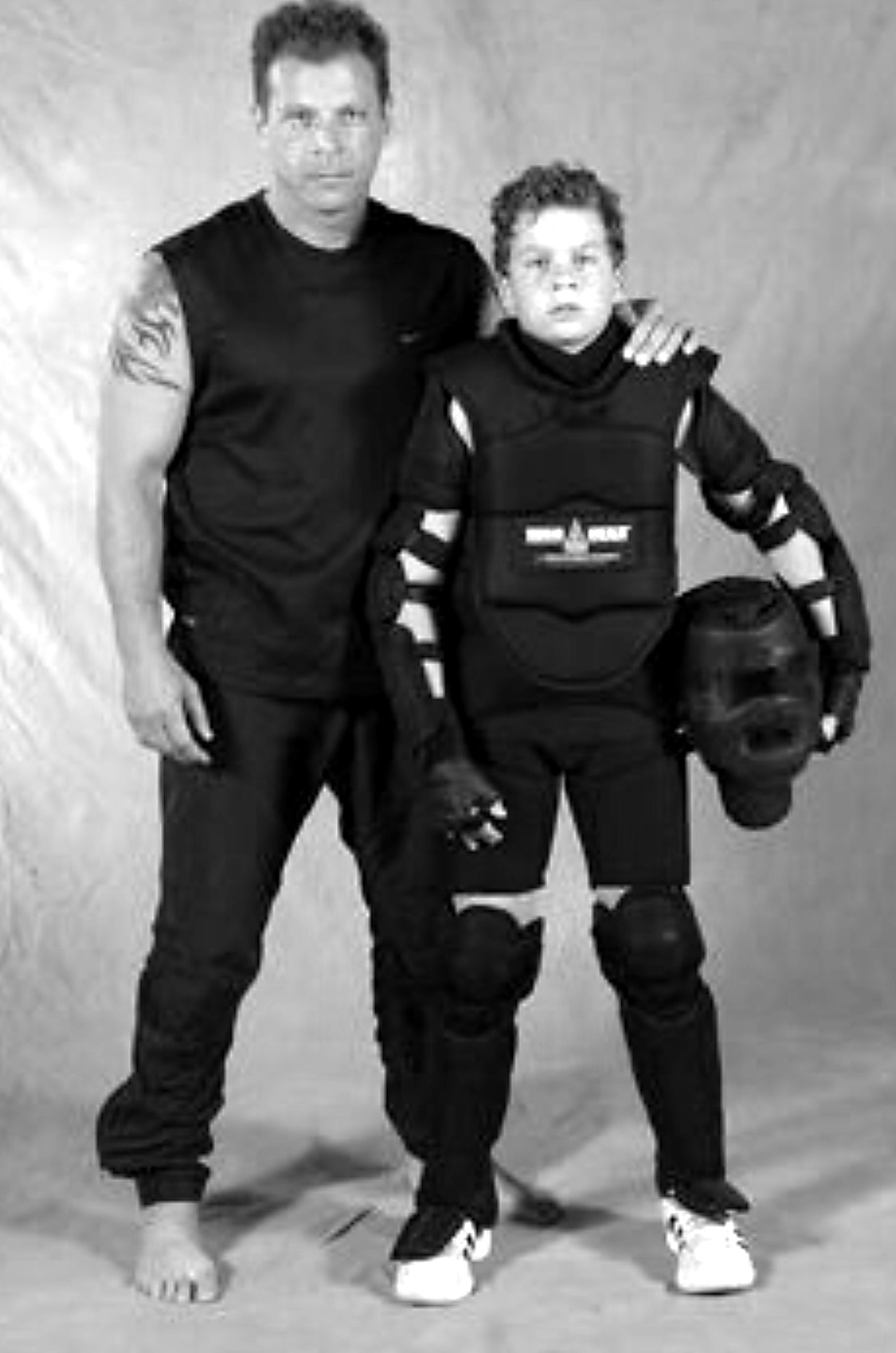
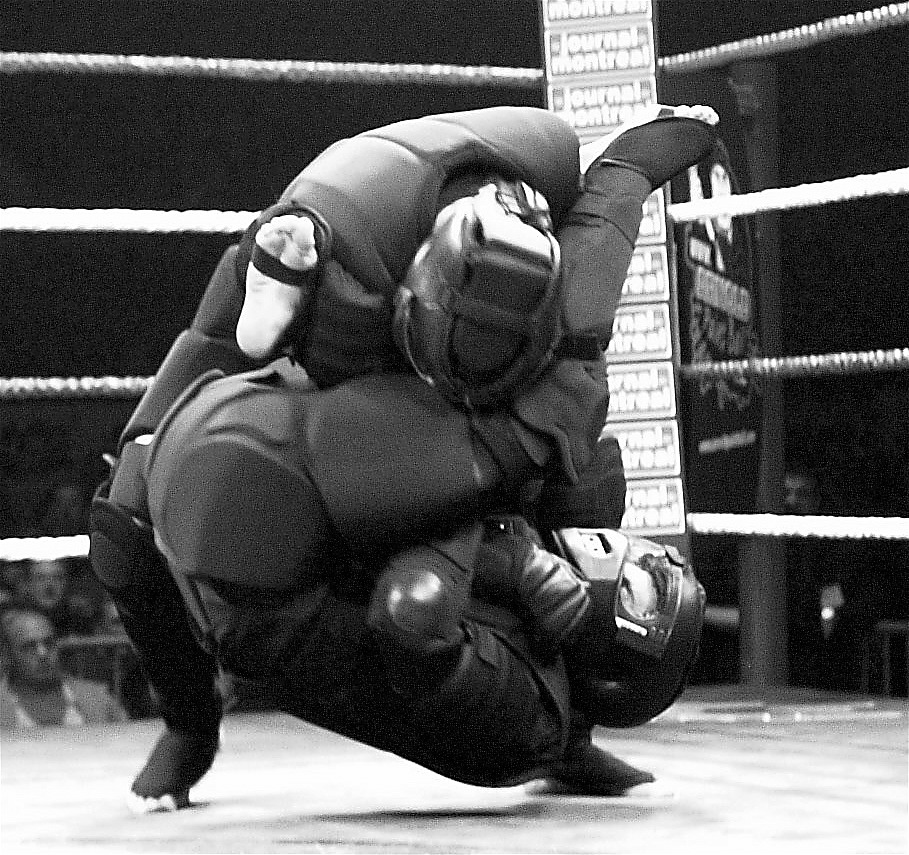
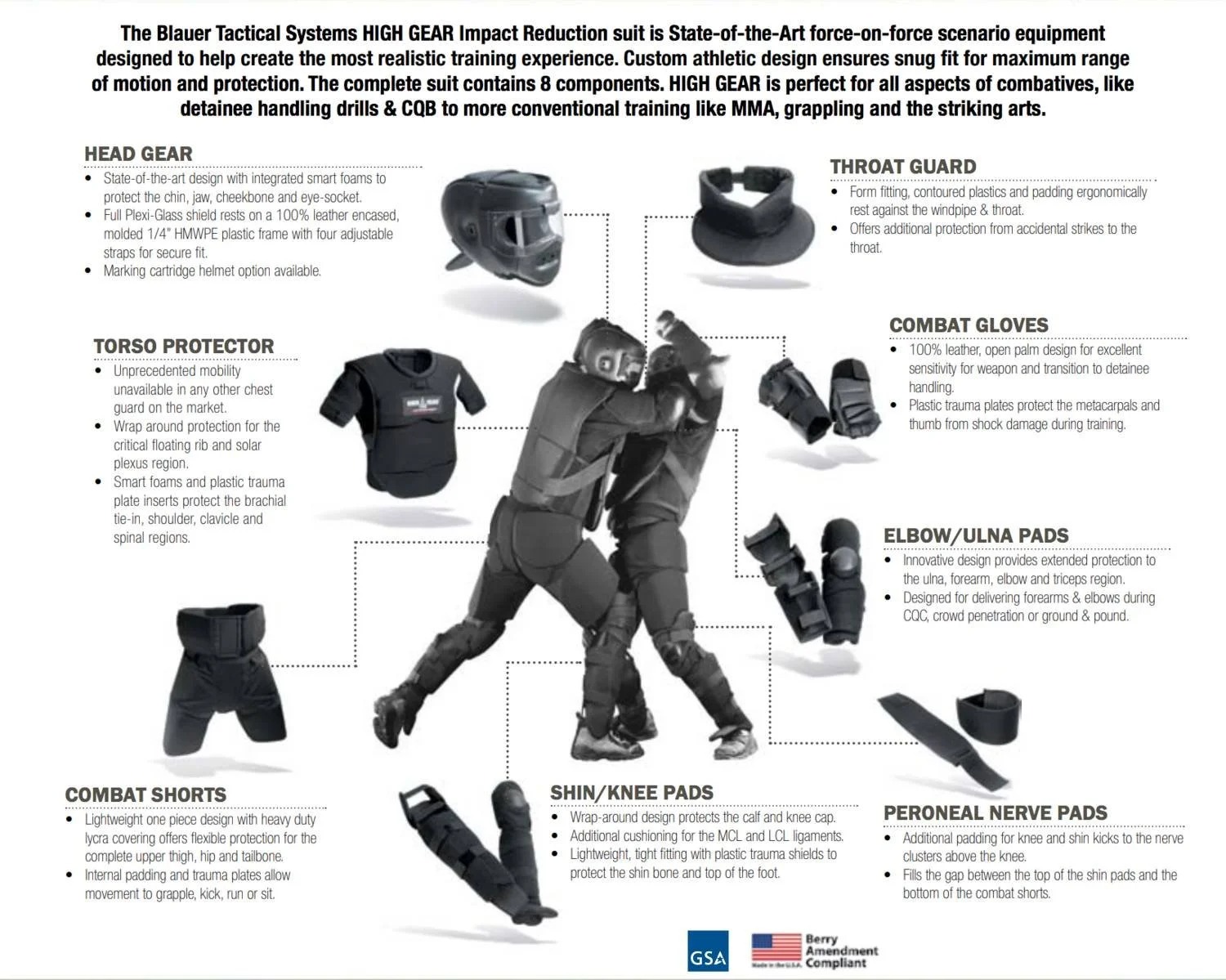
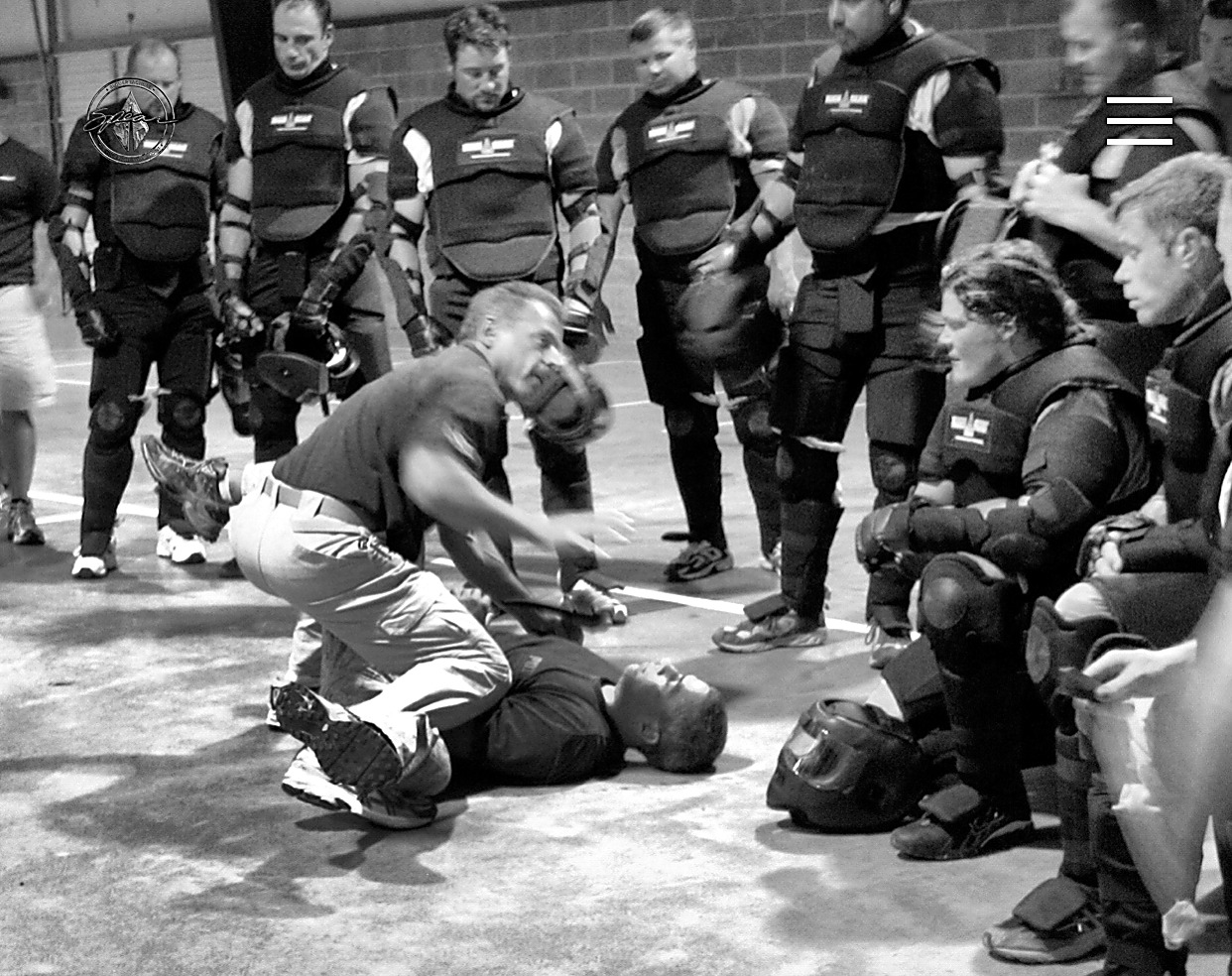
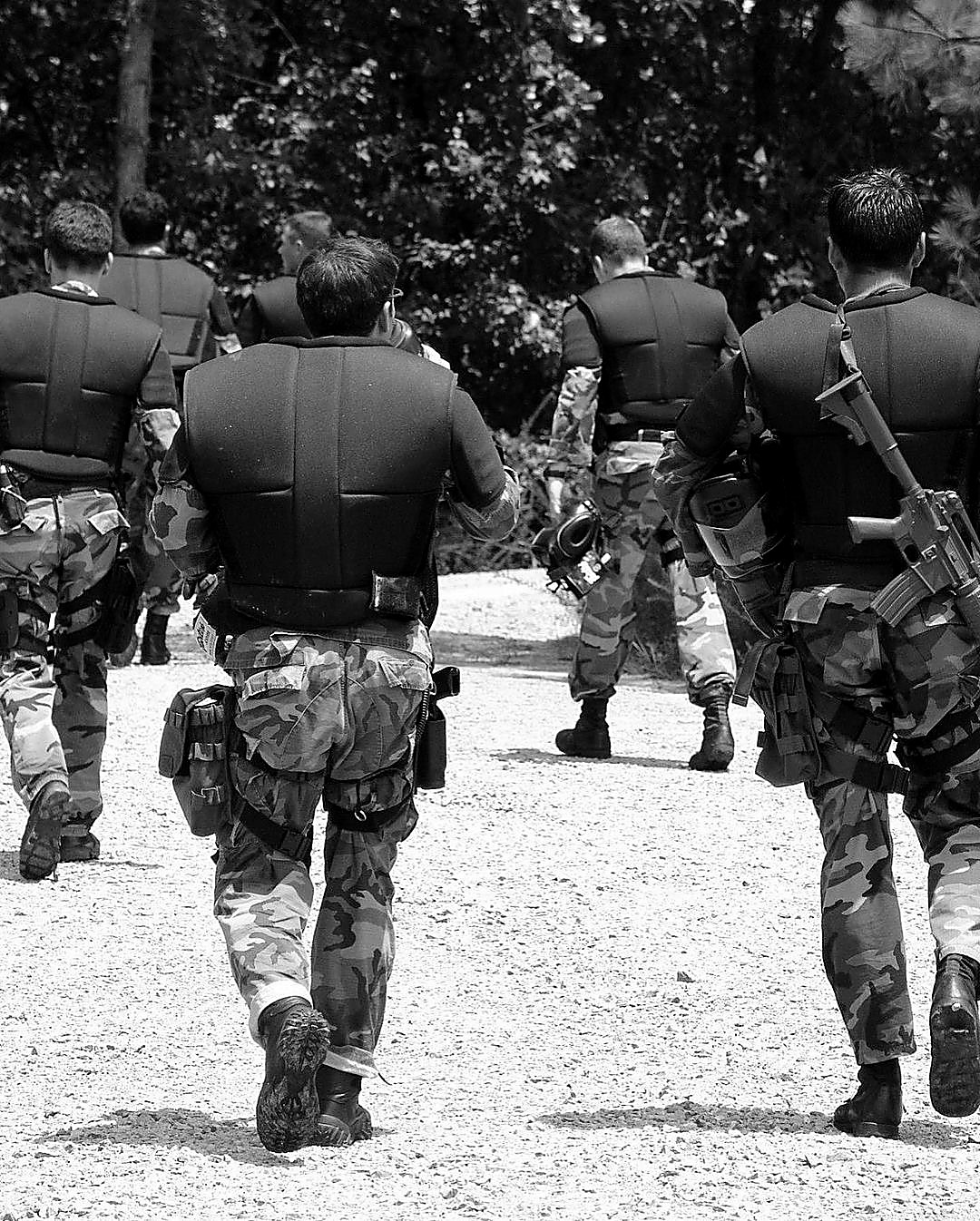
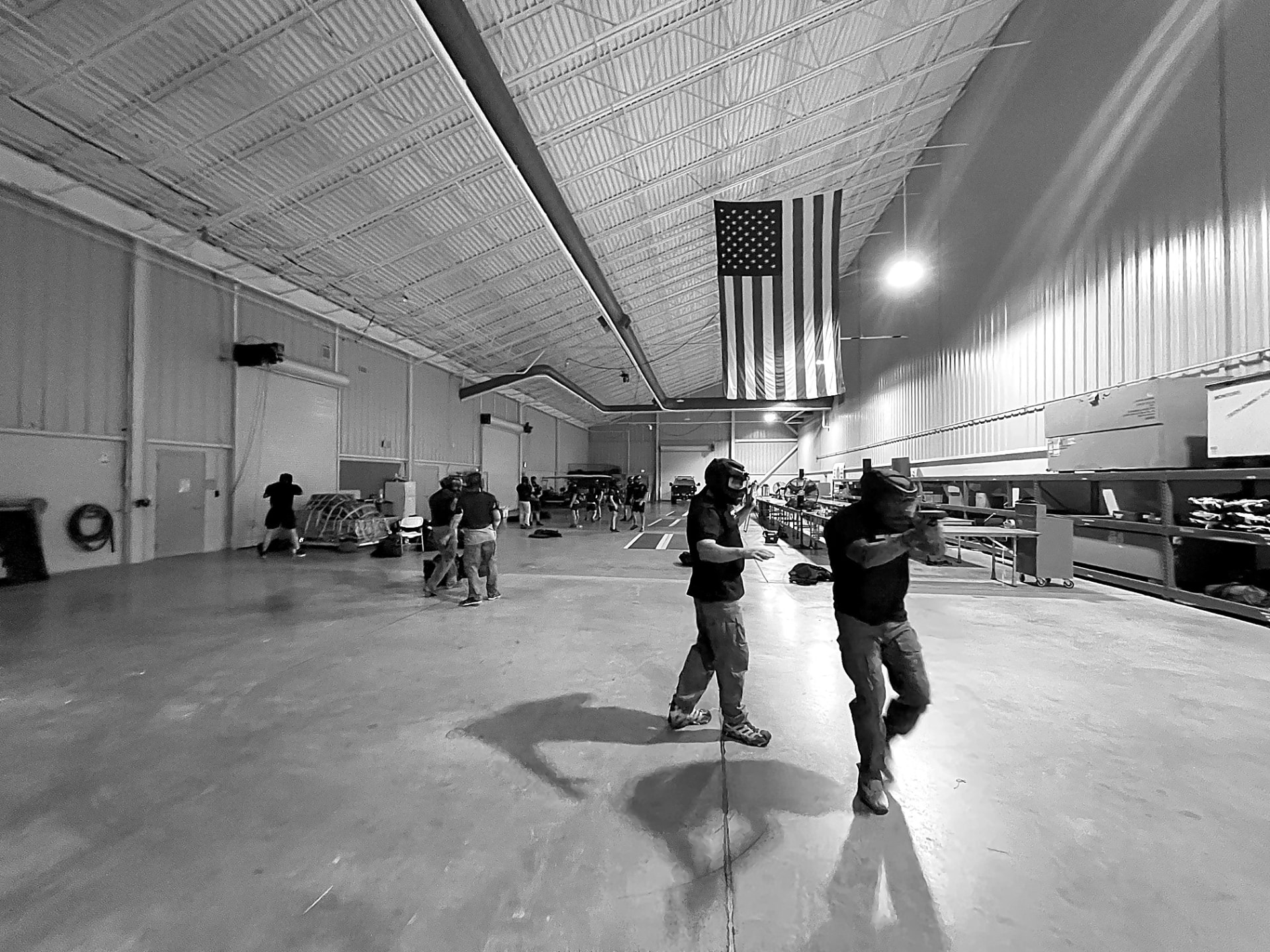
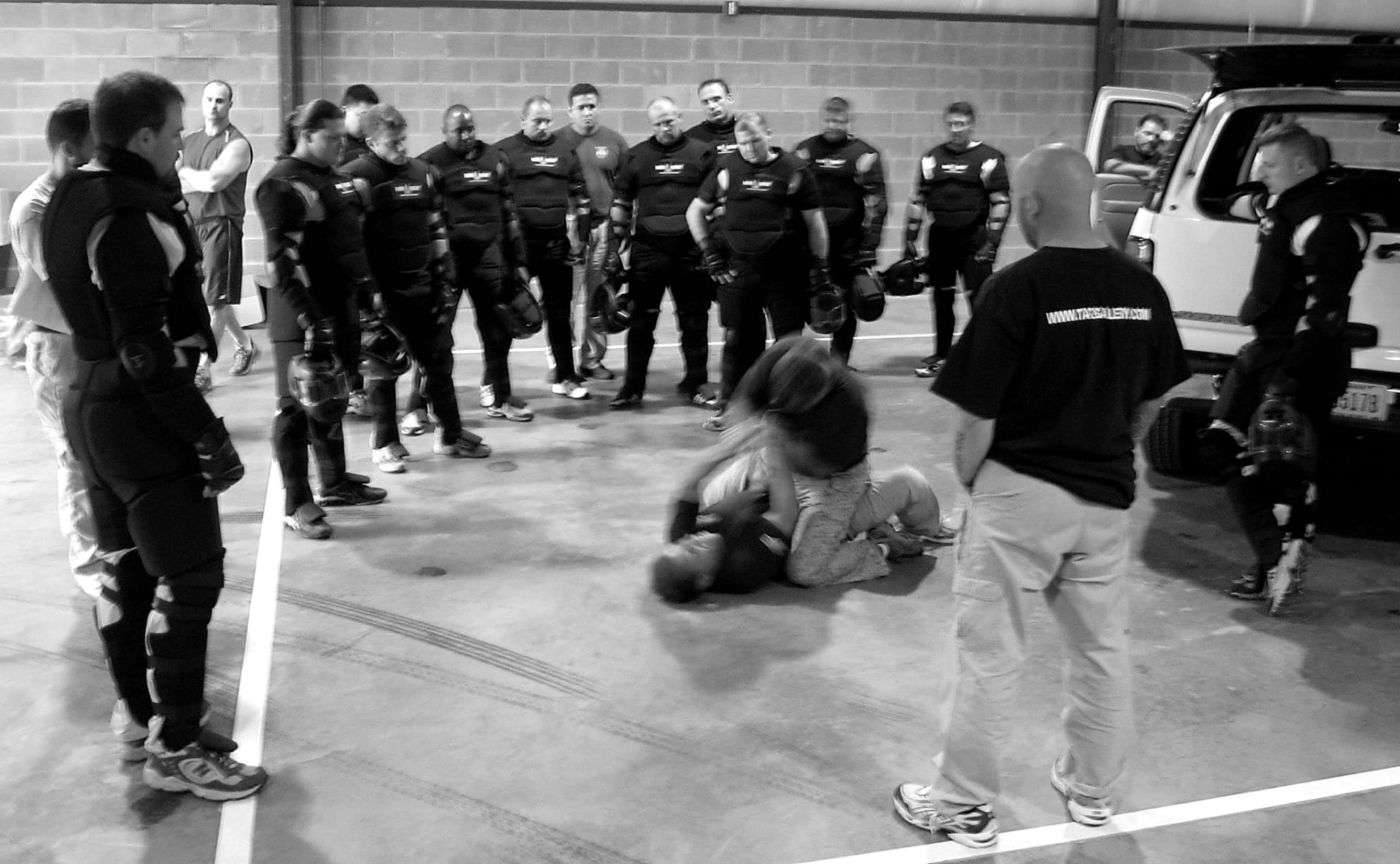
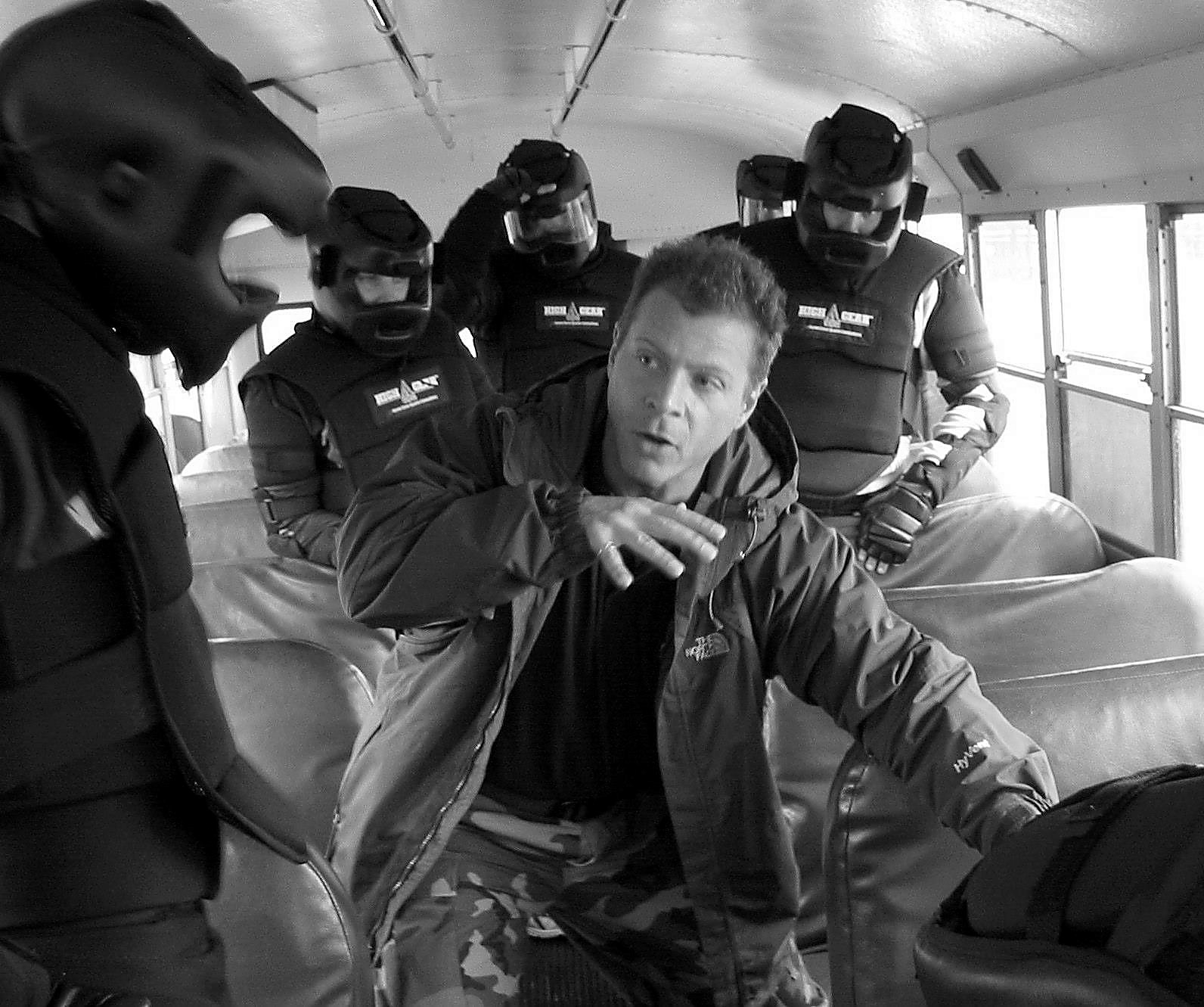
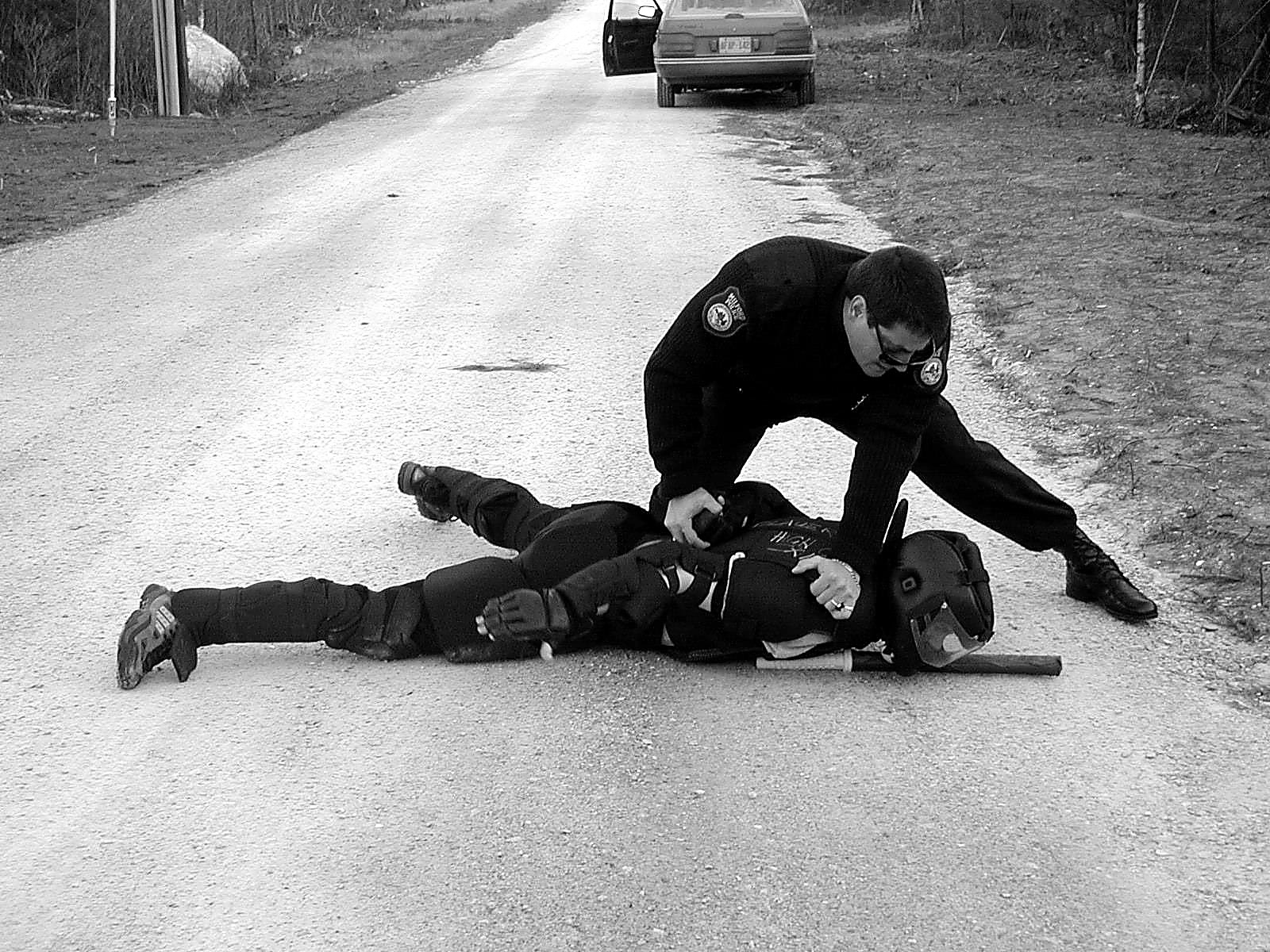
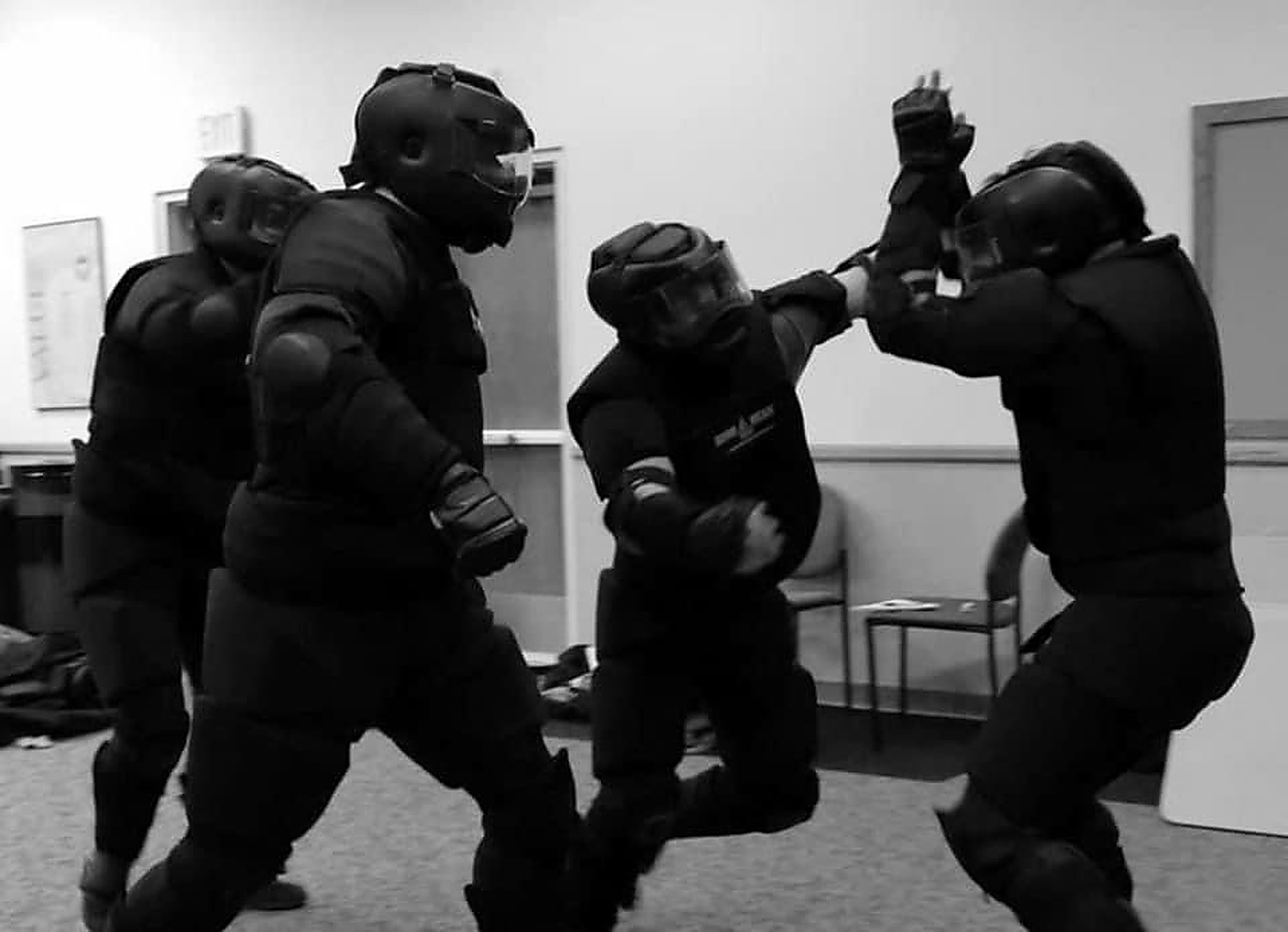
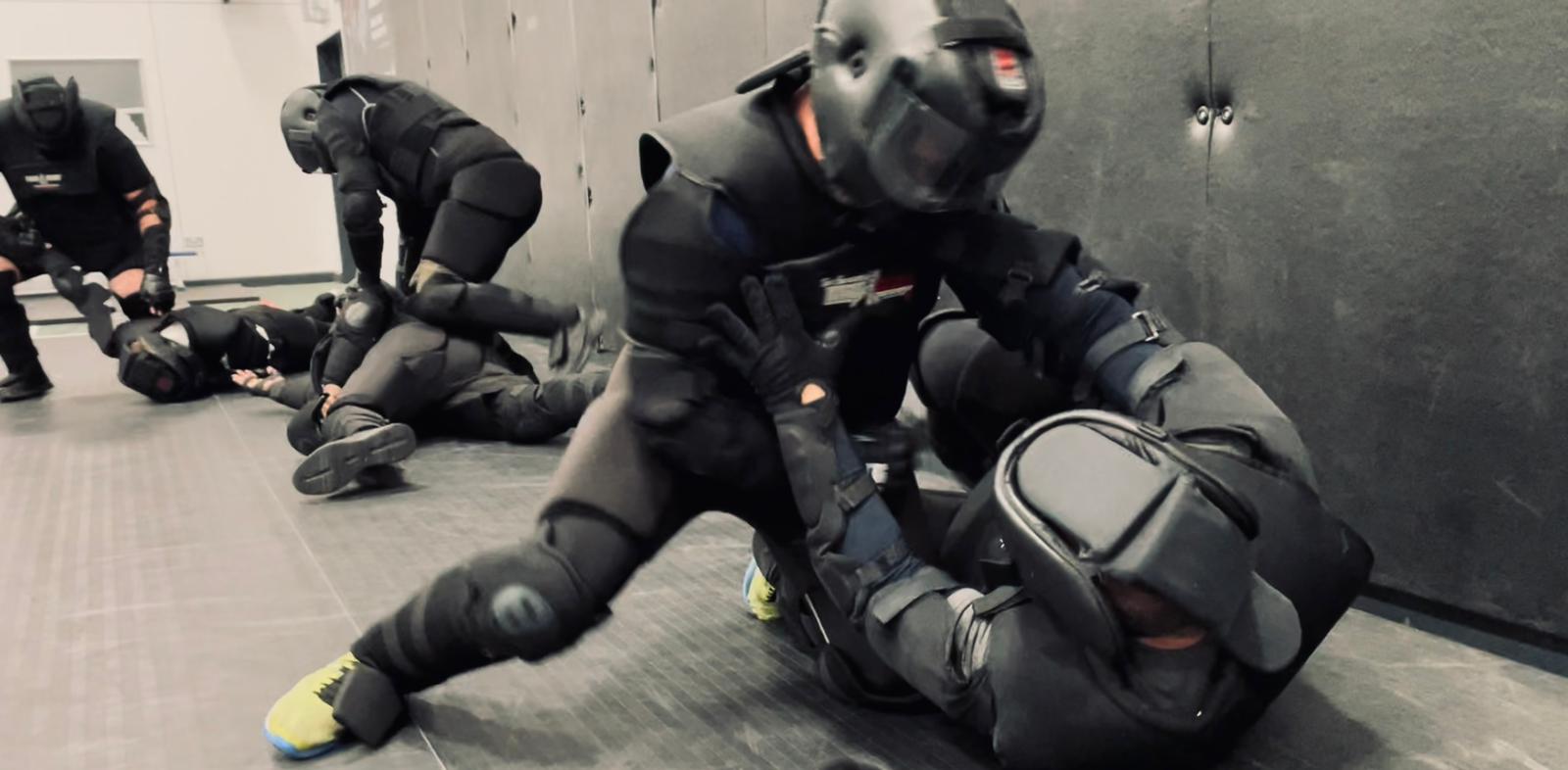
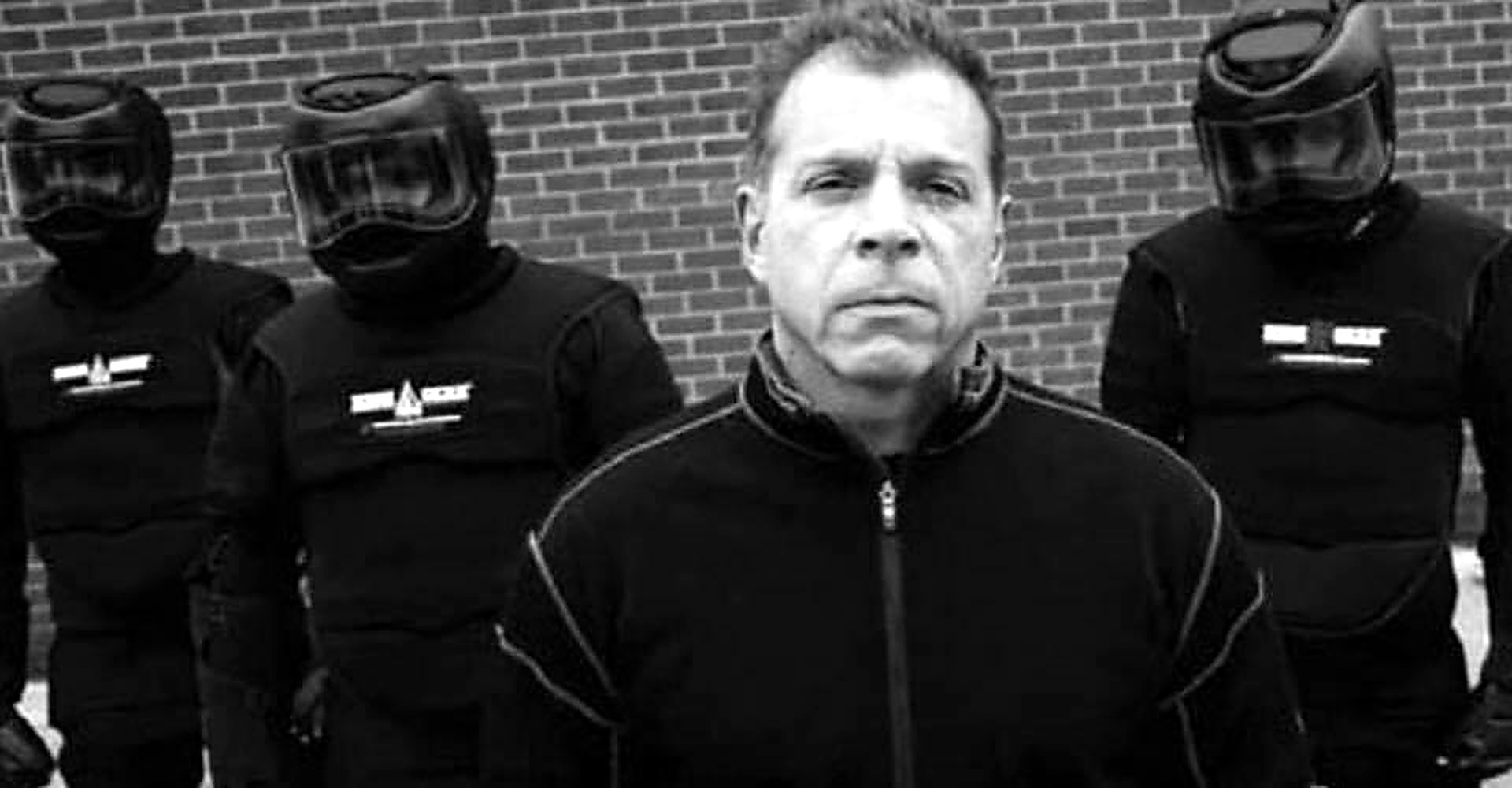
I developed the Panic Attack drill in 1980. I was living in Canada at the time, and I used protective gear from hockey, from boxing, from baseball, from martial arts. It was a Frankenstein suit.
Seven or eight years after we started running the drill, one of my students said to me, "Why don't you make your own gear for the Panic Attack seminar?" That put the bug in my head.
In 1988, at a seminar in Nashville, Tennessee, I sketched the original design on a napkin. That took the innovation to the next level.
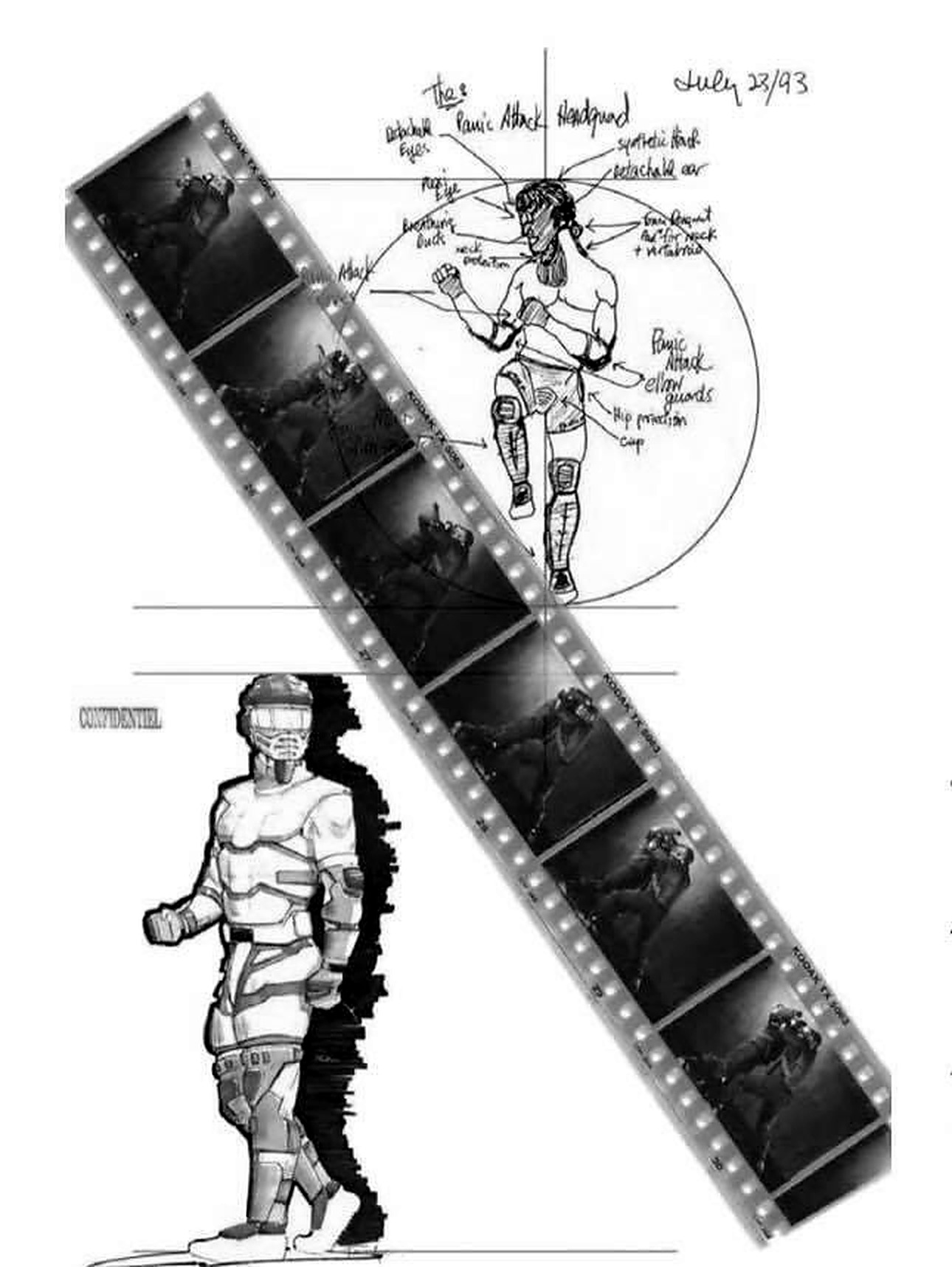
I started looking at different types of foams. A chance meeting led me to the design team at CCM, which was a great connection — they made protective gear for hockey players who needed to be agile and couldn't be burdened by oversized gear.
It took me five years and multiple prototype changes to finally come up with the prototype that worked.
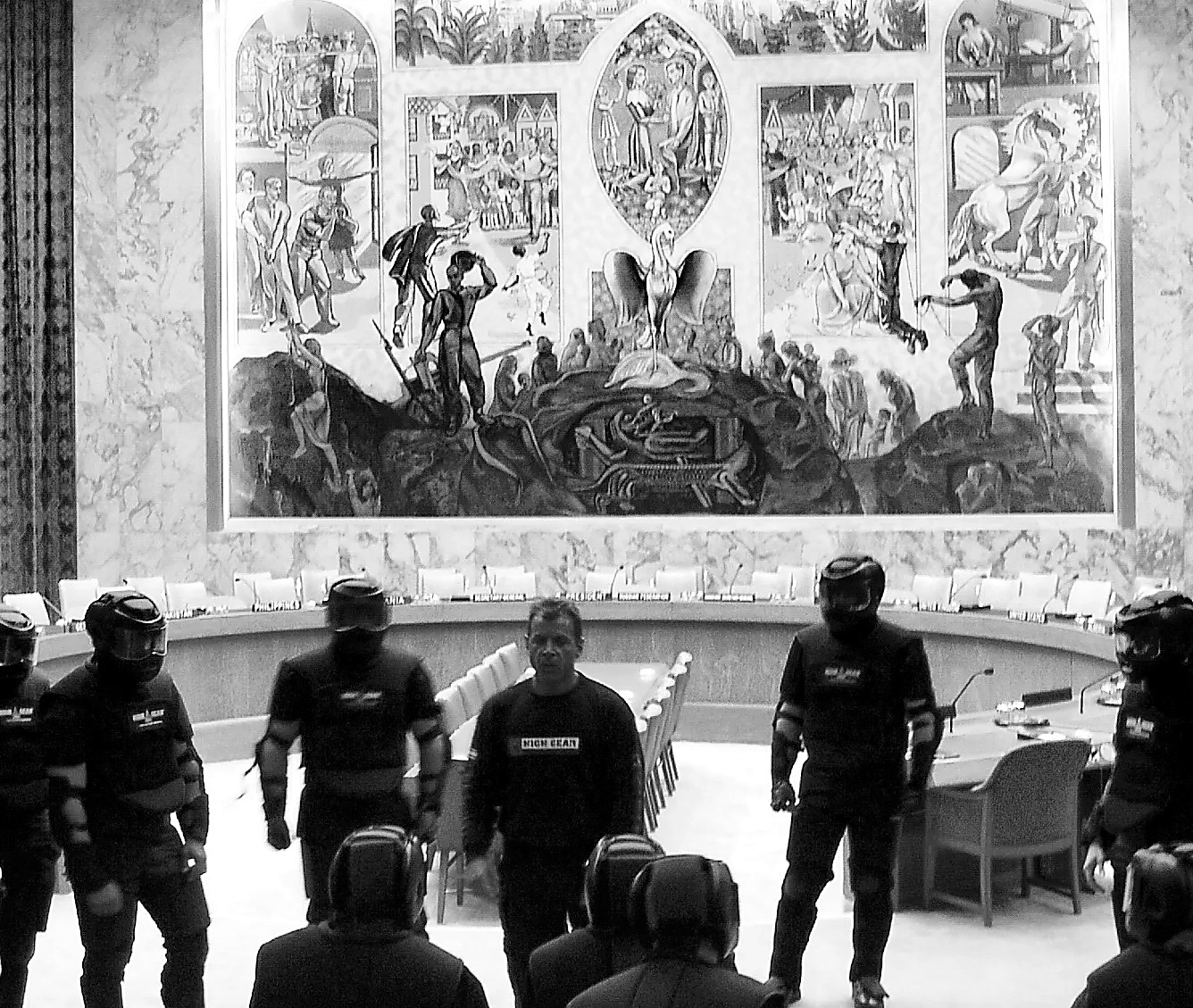
My first order was in 1993, from the Navy SEALs' combat training group under Naval Special Warfare — who then waited 18 months for me to get production going.
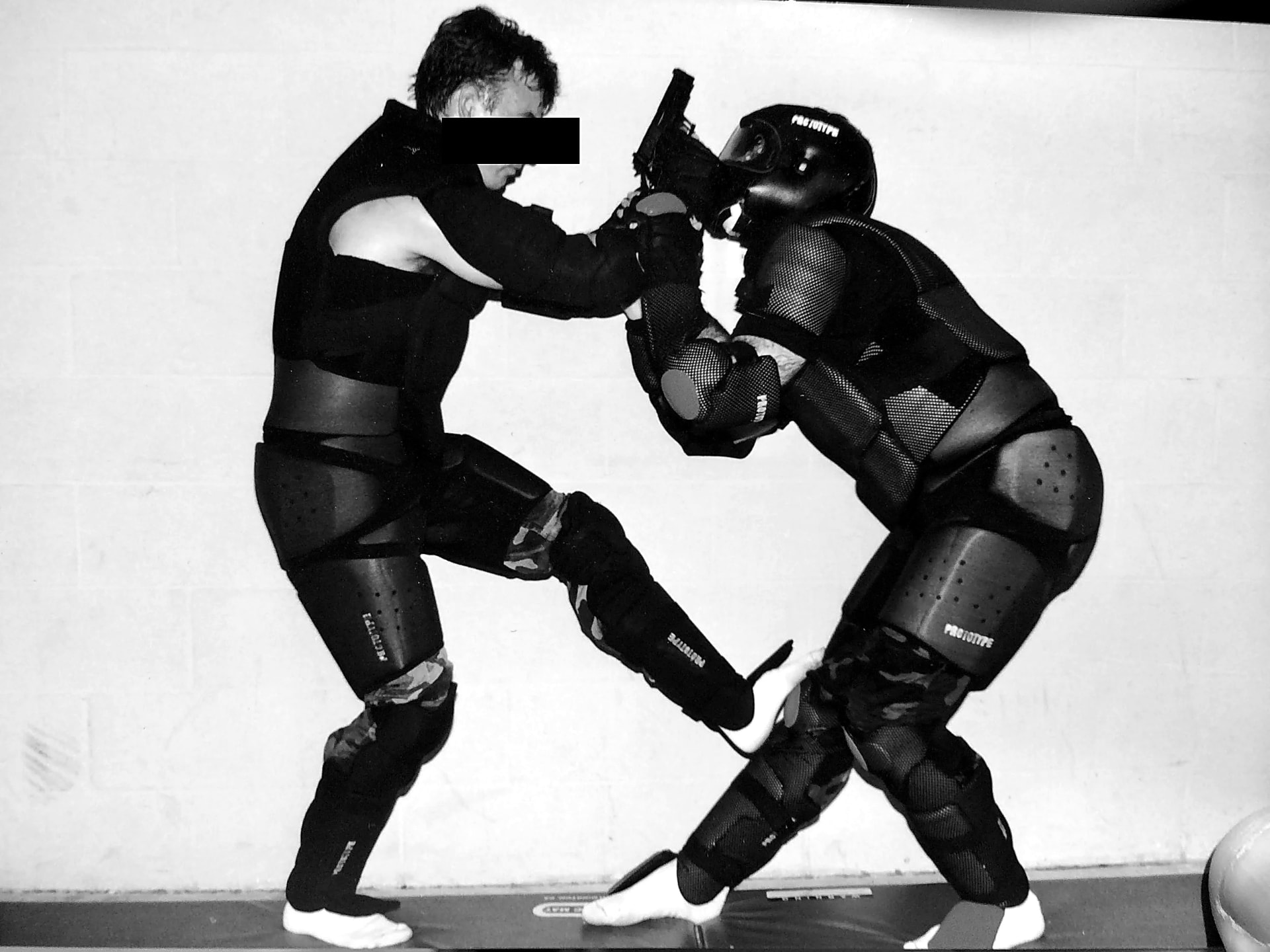
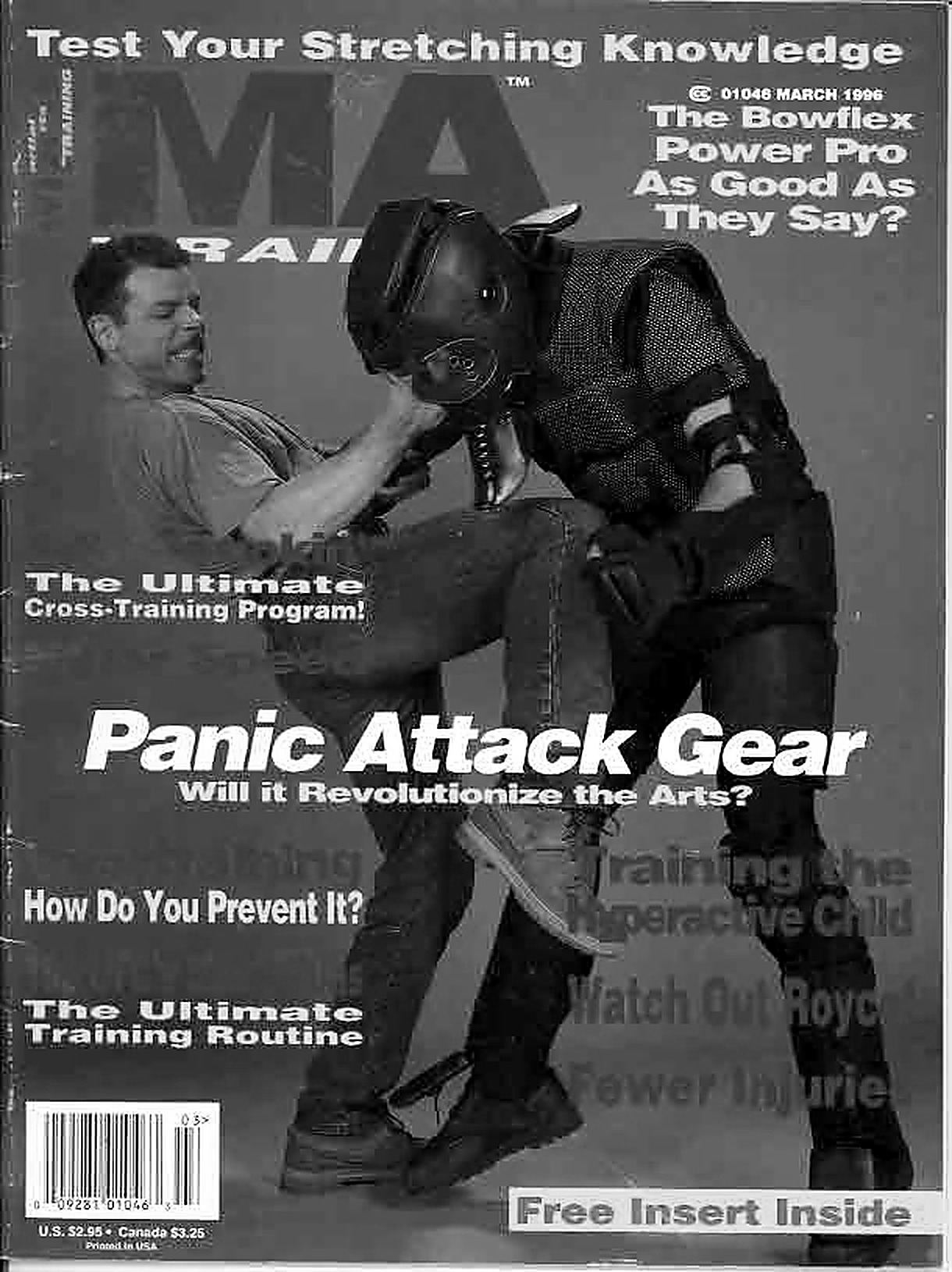
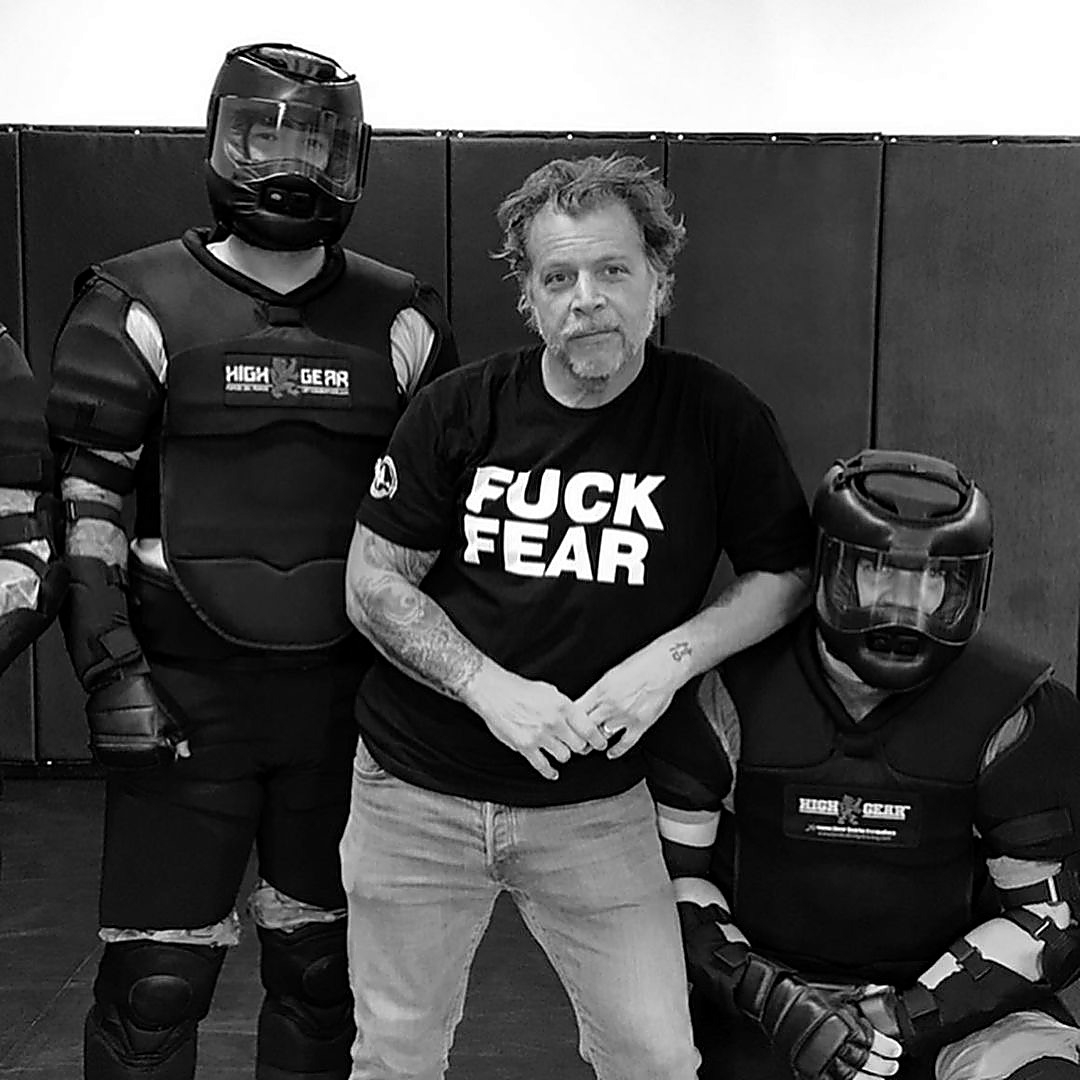
By 2009, the US Army had taken delivery of 7,800 suits — a $17 million order to support their combatives program.
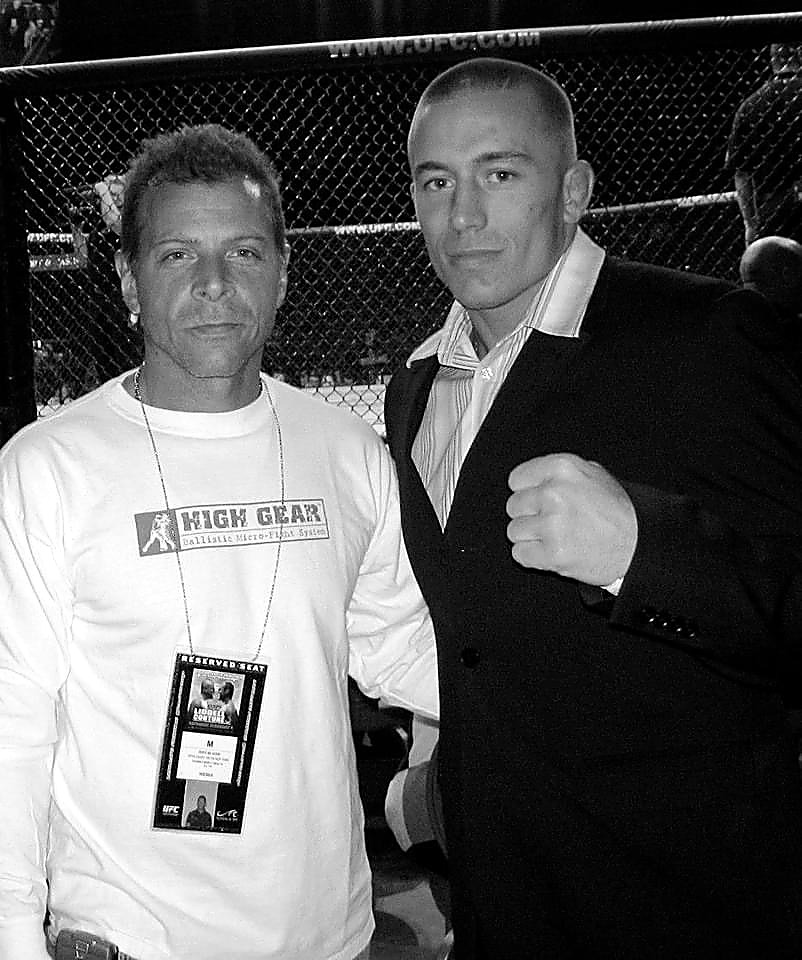
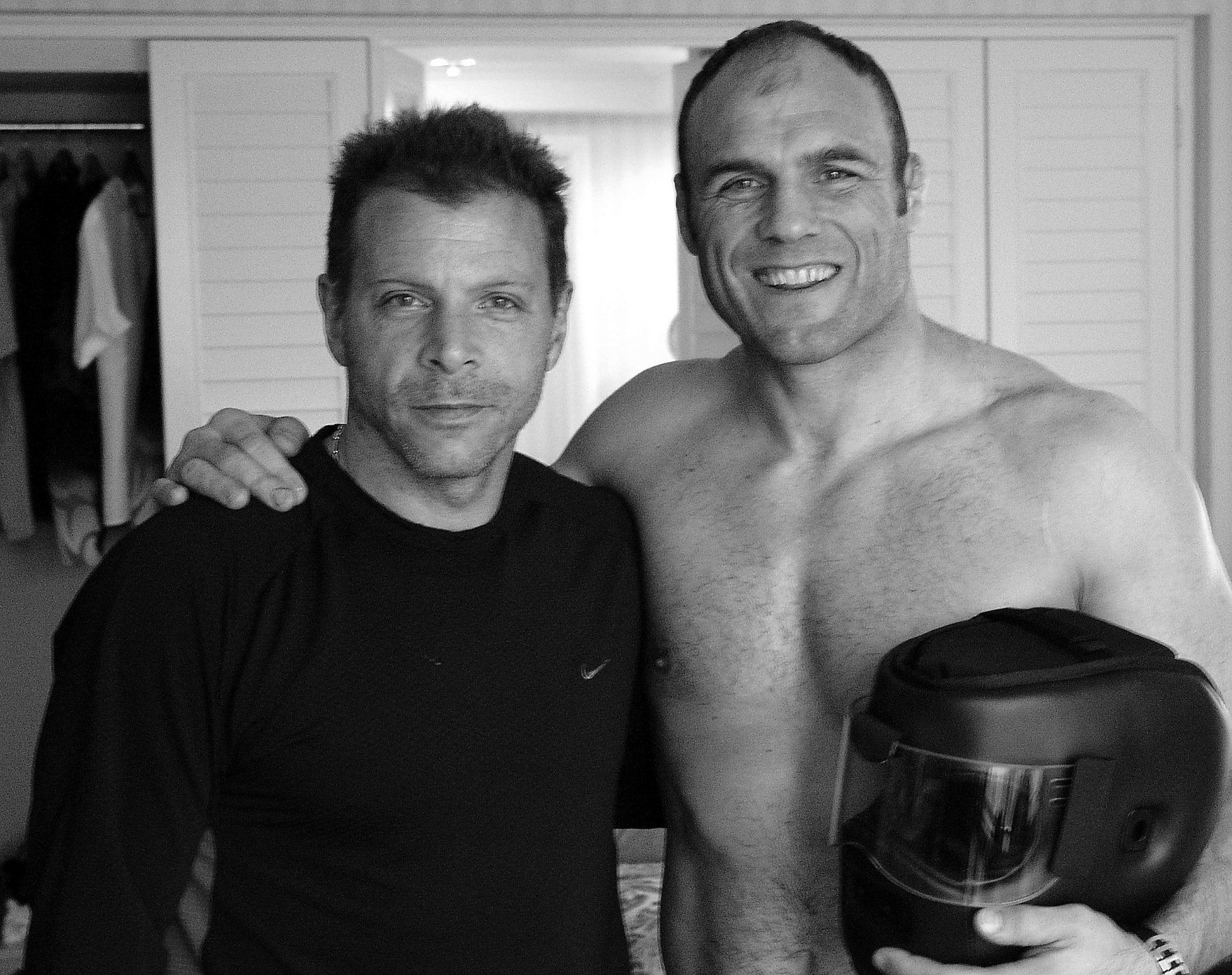
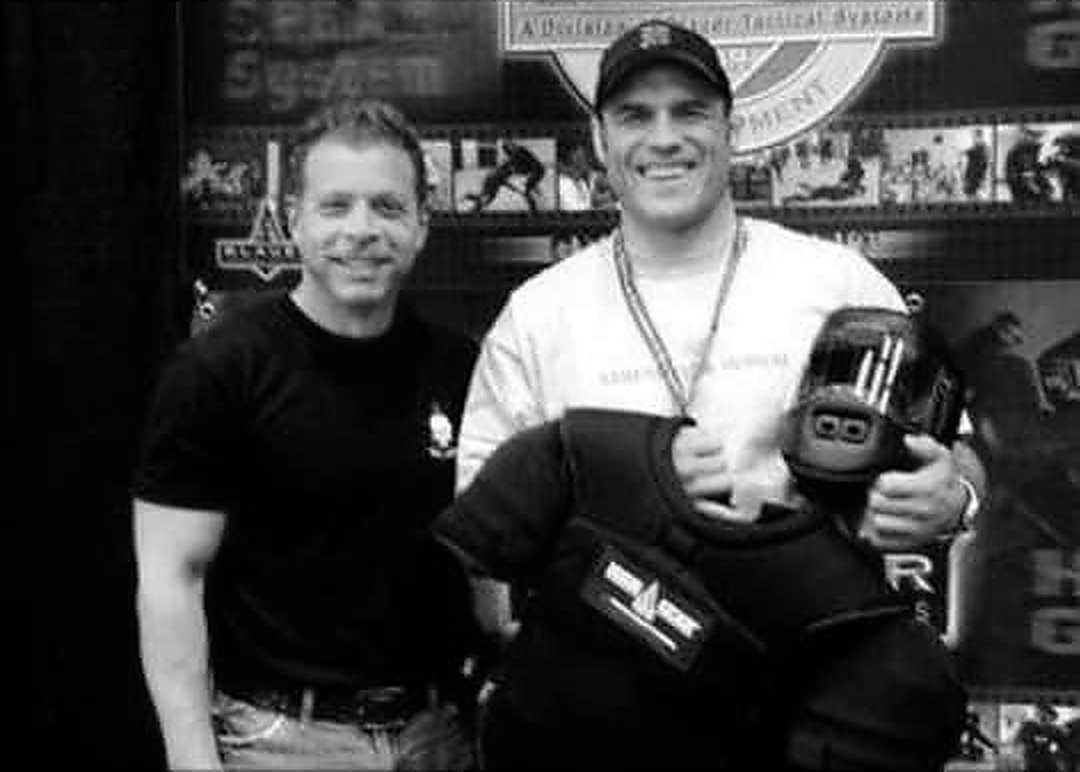
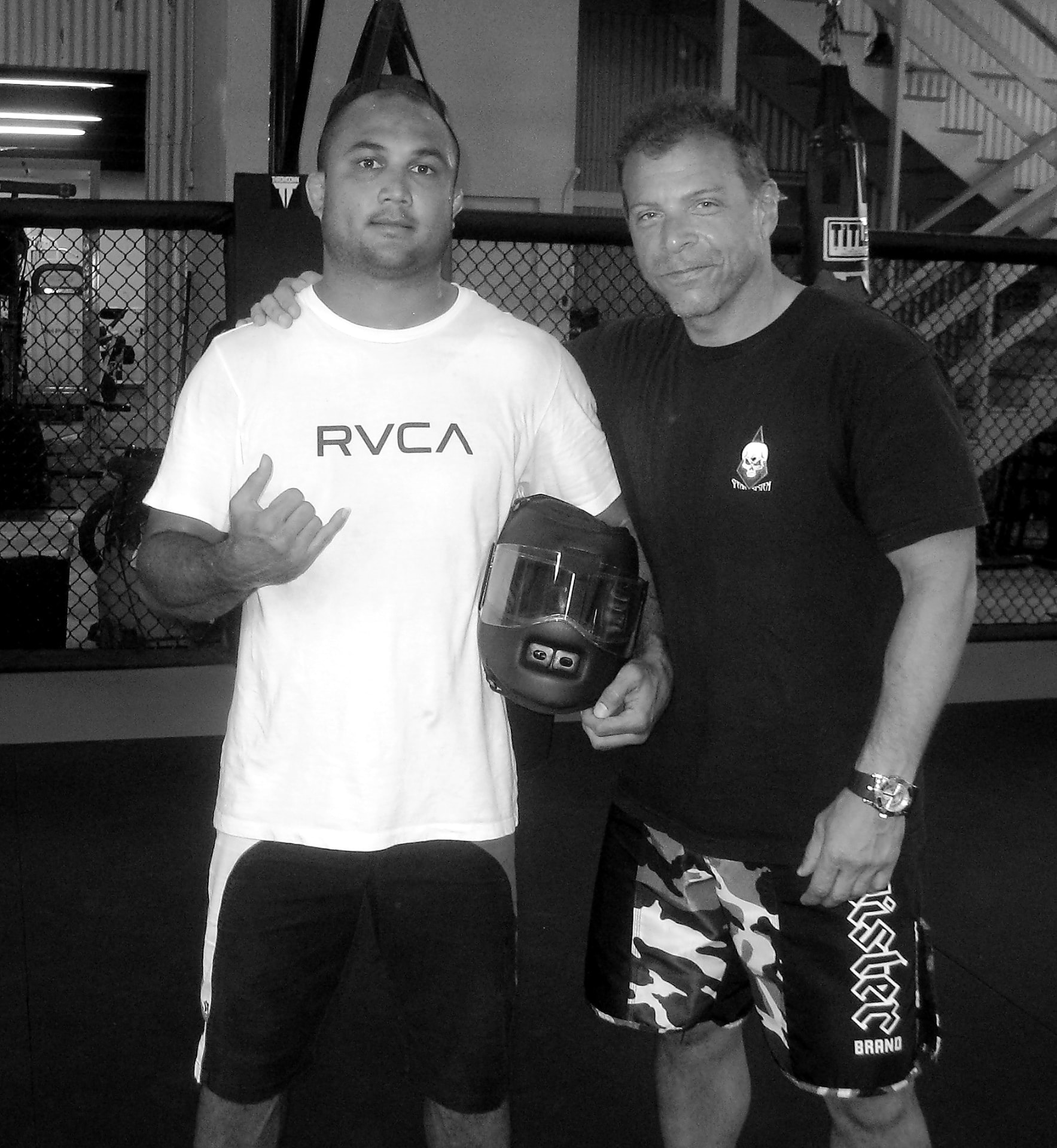
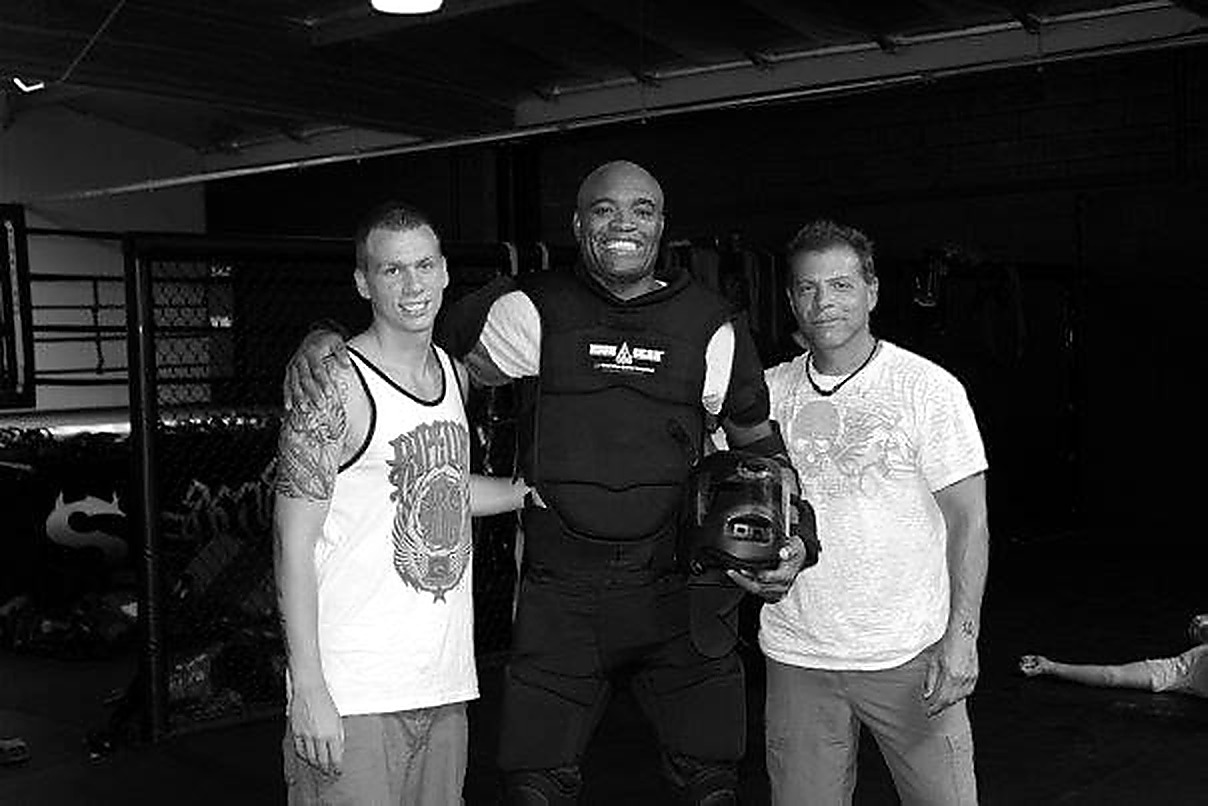
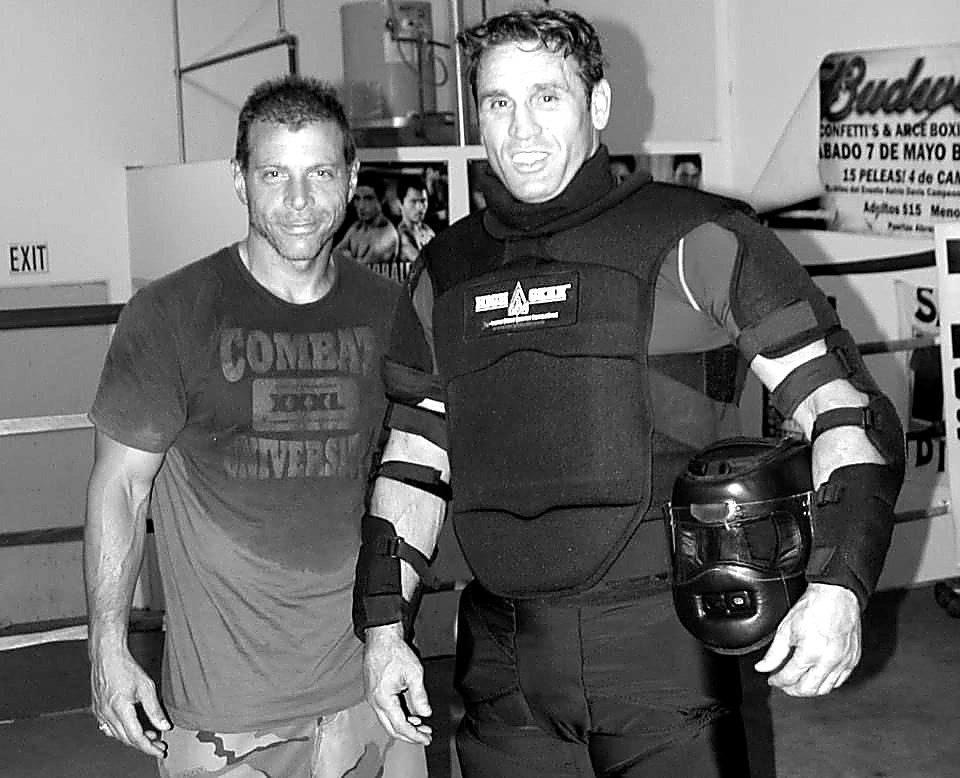
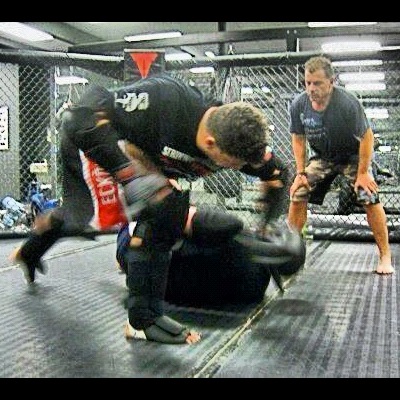
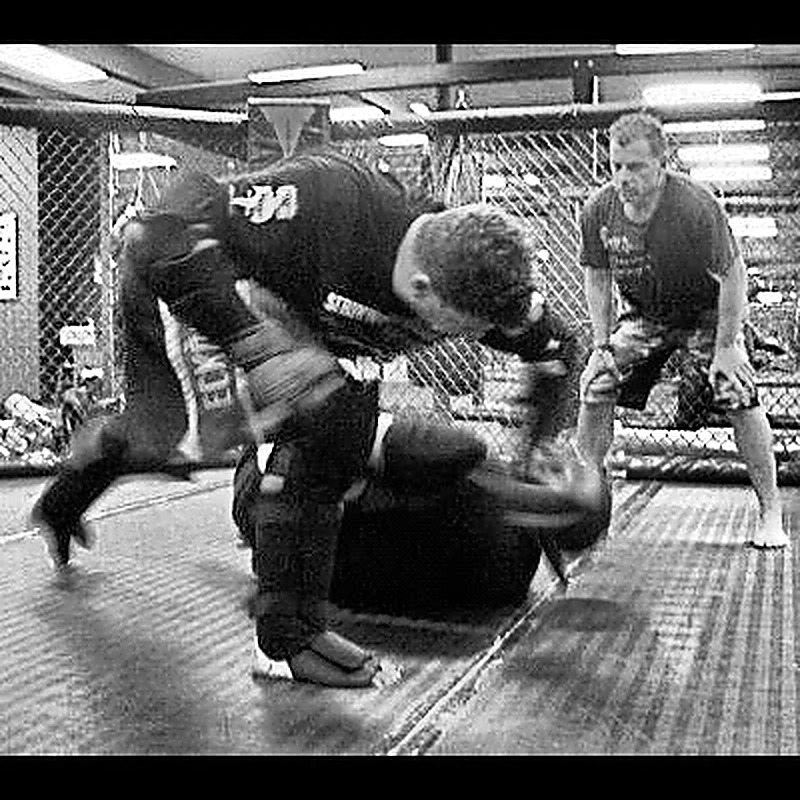
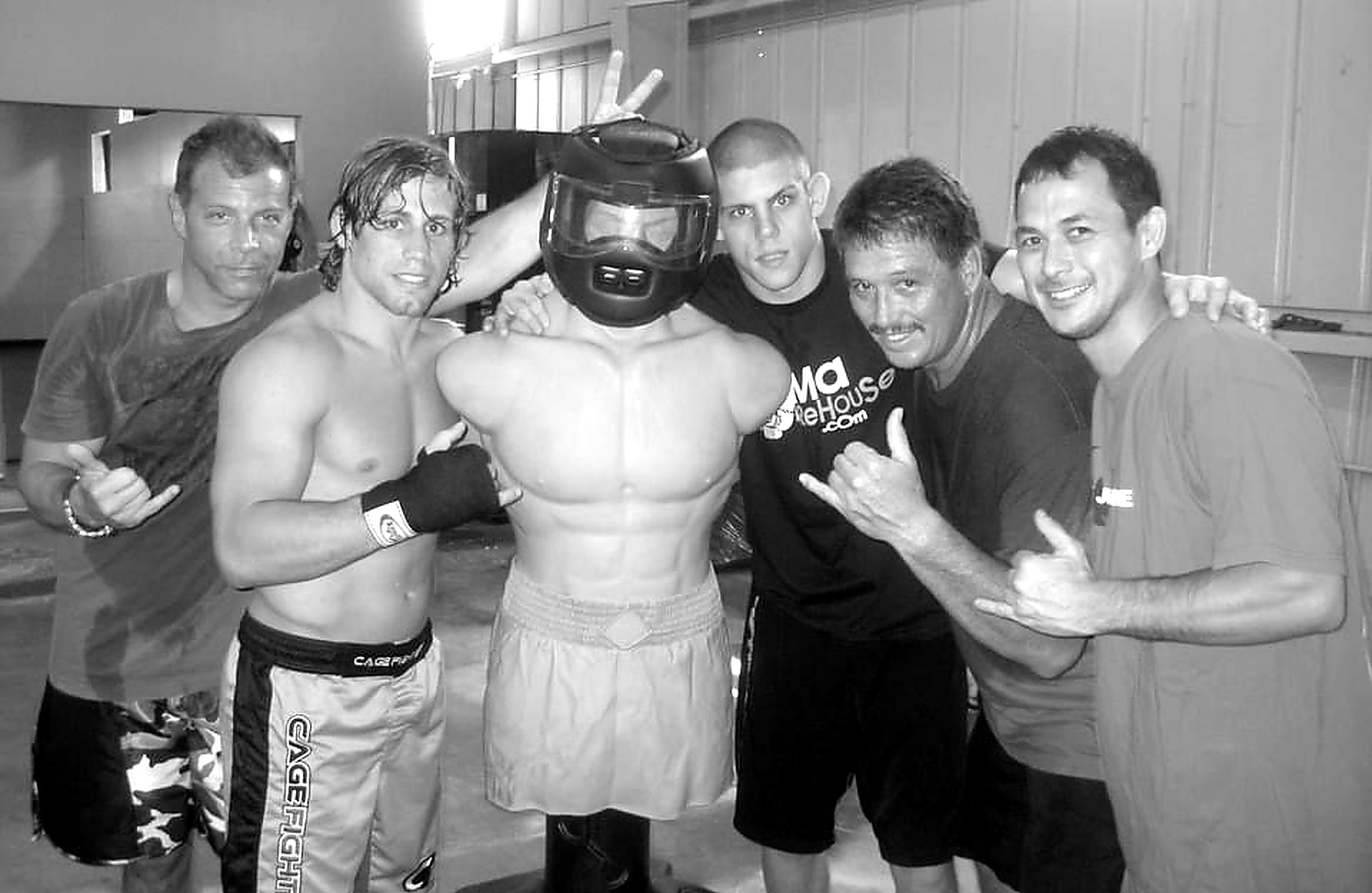
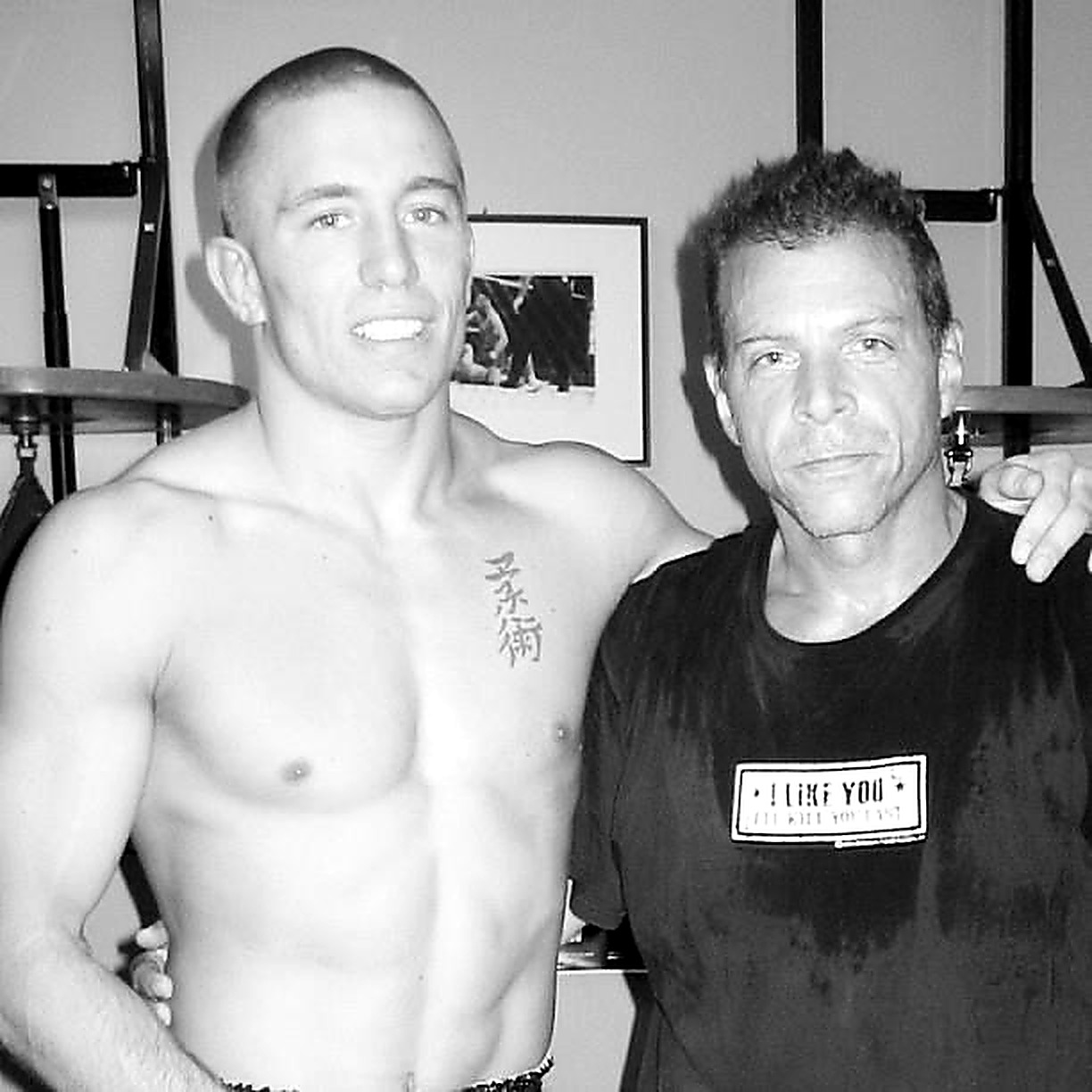
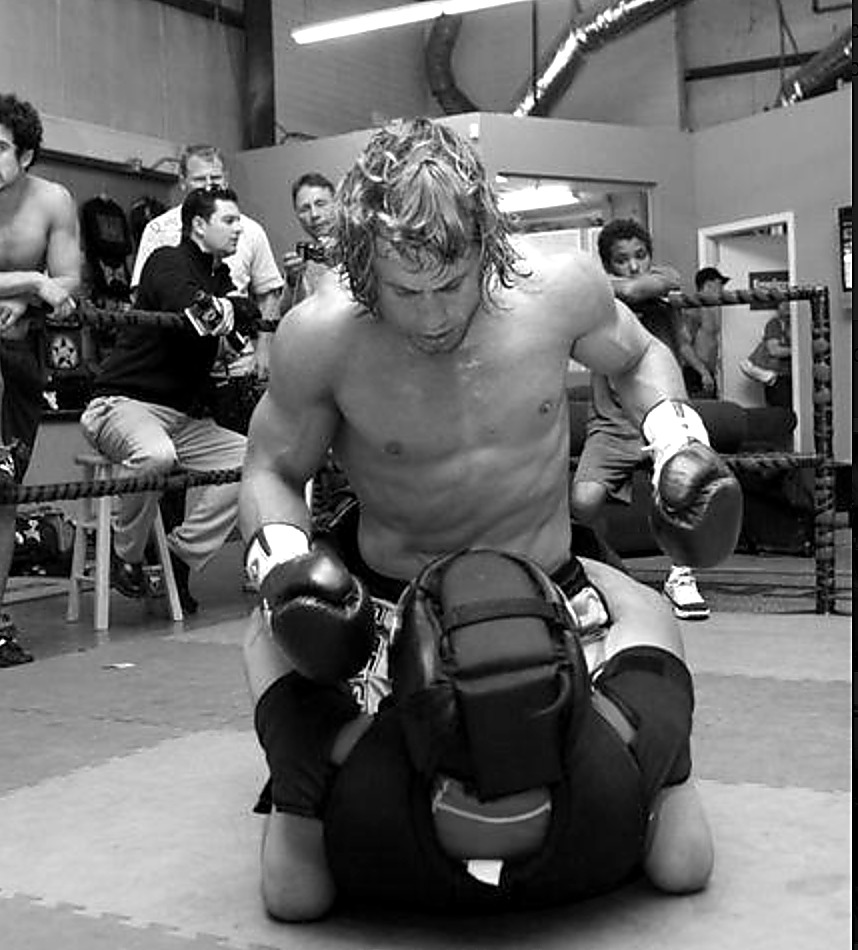
The rise of mixed martial arts brought me to the fighters. I donated dozens of suits to some of the best MMA athletes of that era — including a young Georges St-Pierre, who trained at the Montreal gym where I taught. I gave him and David Loiseau gear to safely develop their ground-and-pound game. This was before the world knew "GSP." Evan Tanner bought his own set, showed it to Randy Couture, and it ended up on the very first season of The Ultimate Fighter.
— Coach Tony Blauer